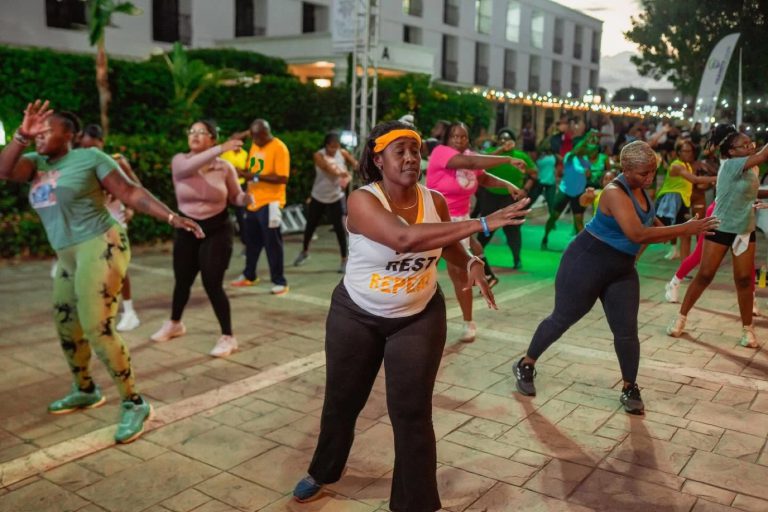
The Challenge pits workplace teams against each other across a season of activity, and its eighth staging drew the widest spread of organisations yet — from large employers with dedicated wellness budgets to small offices where one determined colleague organised everything.
The obstacle course stole the day
The older adult obstacle course drew the loudest support of the afternoon. Introduced a few stagings ago as a light-hearted addition, it has become one of the most competitive events on the programme, and the standard rises every year. The winner completed the course to a standing ovation.
Its popularity has had an effect beyond the day itself. Teams now train for it, which means older colleagues who might otherwise sit out the sporting events have something to prepare for — and a reason to be in the gym or the park in the weeks beforehand.
What the organisations take home
Beyond the trophies, participating organisations report the more durable outcomes: walking meetings that survived the end of the season, stairwells back in use, and staff who now know their blood pressure and glucose numbers because screening was offered at work rather than somewhere they had to travel to.
Several organisations have made changes to the working environment itself — fruit at meetings, showers and secure bike parking, and standing options in meeting rooms. Those changes outlast any single campaign, and they reach the people who never sign up for anything.
A note on what this does not solve
Workplace programmes reach people in formal employment. A significant share of the working population is outside that — informal traders, small farmers, the self-employed — and a corporate challenge does not touch them. The Unit runs community-based programming for exactly that reason, and the two are designed to complement rather than substitute for one another.
Next year
Registration for the next staging opens later in the year. Organisations that took part are asked to nominate a coordinator early, since the teams that do best are consistently those that start organising well before the season begins.