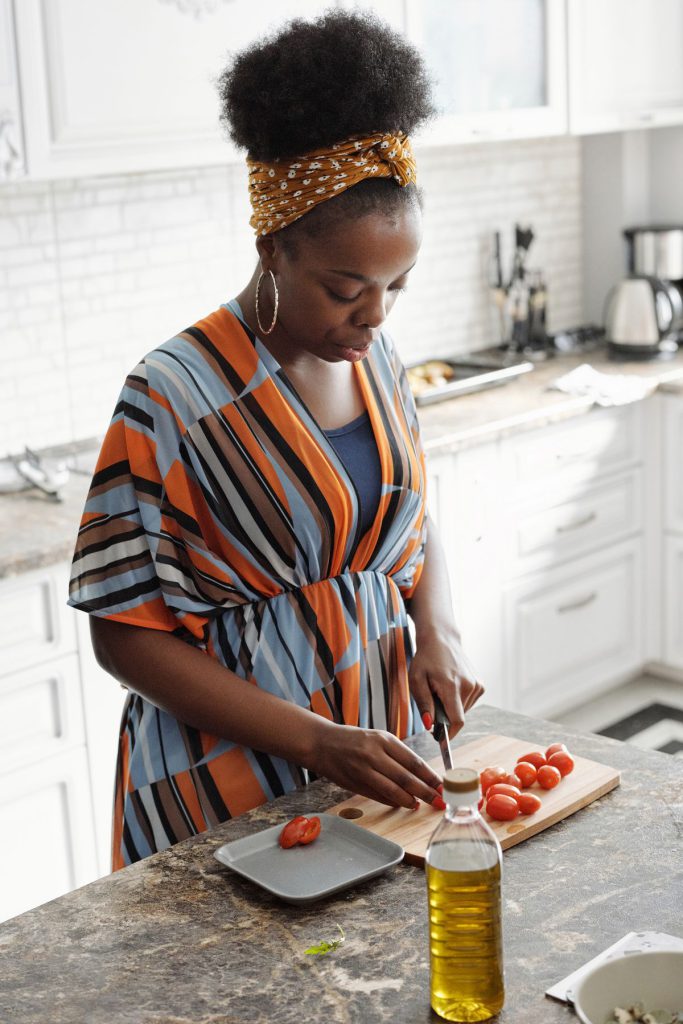
Eat a variety of foods from the food groups each day.
Choose a variety of fruits.
Choose a variety of vegetables.
Include peas, beans, nuts and seeds regularly.
Cut back on salty and highly processed foods.
Use fats and oils in moderation.
Reduce sugary foods and drinks.
Make physical activity part of your daily routine.
Jamaica's Food Based Dietary Guidelines provide practical guidance for people aged two years and older. The national food guide uses the Caribbean Six Food Groups and promotes variety, adequacy, balance and control, along with drinking water and being physically active.
Healthy eating is not about one perfect food or a short-term diet. It is the overall pattern of what you eat and drink, how often you eat certain foods, portion size, and whether healthier choices are accessible in your home, school, workplace and community.
Use the Caribbean Six Food Groups
Build meals from staples; vegetables; fruits; legumes and nuts; foods from animals; and fats and oils. The food guide's proportions are designed to help people think about balance across the whole meal and day, not to turn eating into a rigid formula.
Make water the easy choice
Choose water regularly, especially in hot weather and when physically active. Workplaces, schools and community events can support healthier choices by making safe drinking water easy to access.
Eat more foods close to their natural form
Fruit, vegetables, ground provisions, whole grains where available, peas, beans, nuts, seeds, fish and other minimally processed foods can help build a varied diet. Local foods can fit comfortably within a healthy eating pattern.
Watch salt, sugar and heavily processed foods
Frequent intake of foods and drinks high in added sugars, salt and unhealthy fats can increase NCD risk. Read labels where available, taste before adding salt, choose smaller portions of highly processed foods and reduce routine consumption of sugar-sweetened drinks.
Healthy eating in different settings
At home: plan meals, keep water available, add fruits and vegetables, and use healthier cooking methods.
At school: support nutritious food choices, drinking water and food education that builds lifelong skills.
At work: improve meeting and cafeteria choices, provide water access and include practical nutrition activities in wellness programmes.
In communities: use cooking demonstrations, local markets, community gardens and events to make healthy eating visible and practical.
Need individual nutrition advice?
People with diabetes, kidney disease, heart disease, pregnancy-related nutrition needs, food allergies, undernutrition or other specific health concerns may need individual advice from a qualified health professional or nutrition professional. General website information should not replace personal clinical advice.